
Causes of Aging
AMPK, short for AMP-activated protein kinase, is an enzyme in your body that acts like an energy control switch. It plays a big role in keeping your body's energy balance in check, much like a thermostat regulates the temperature in your home.
Imagine your body as a factory with lots of machines (cells) that need energy (fuel) to work properly. AMPK is like the manager who checks if there's enough energy. If the energy is low, AMPK tells the cells to make more energy and to stop using it wastefully. This helps your body run efficiently, especially when energy is low, like when you haven't eaten for a while.
AMPK is also a bit like a personal trainer for your body. It encourages the use of fat as fuel, which is great for weight management. Plus, it helps with things like improving blood sugar levels, which is important for preventing diabetes.
On the flip side, if AMPK isn't working right, it's like having a faulty energy manager. This can lead to problems like higher blood sugar levels, increased risk of diabetes, weight gain, and even contributes to aging. When AMPK isn’t active enough, your cells might not manage energy well, leading to these health issues.
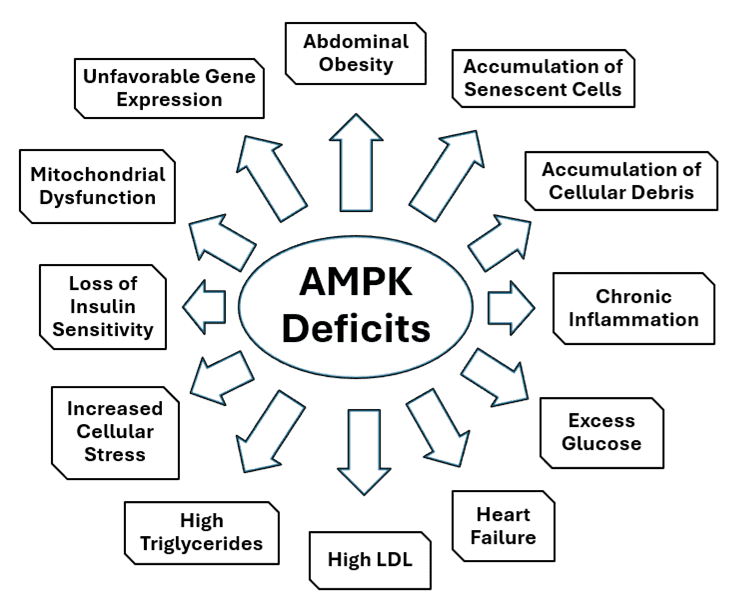
Benefits of AMPK
- Energy Regulation
- Metabolic Health
- Anti-Aging Effects
- Cardiovascular Health
- Neuroprotection
Health Issues Related to AMPK Deficiency
- Metabolic Disorders
- Accelerated Aging
- Increased Cardiovascular Risk
- Neurodegenerative Diseases
- Cancer Risk
- Reduced Muscle Function
Autophagy is like a cell's personal recycling and trash disposal system. It helps keep cells healthy by getting rid of old, damaged, or unnecessary parts and breaking them down to reuse their basic components. Think of it as a way for your cells to declutter, much like when you clean out your closet, throwing away what's broken and keeping what can be used again. This process is vital for our overall health, ensuring that our cells operate smoothly and efficiently.
The role of autophagy goes beyond just cleaning up; it's key in preventing diseases. By removing the damaged bits inside cells, autophagy helps avoid the buildup of harmful substances that could lead to serious health issues like Alzheimer's, cancer, and heart disease.
It also plays a part in defending against infections by breaking down invading germs and using their pieces to trigger a stronger immune response.
Benefits of Autophagy
- Cellular Health and Longevity
- Disease Prevention
- Immune System Support
- Metabolic Efficiency
- Stress Response
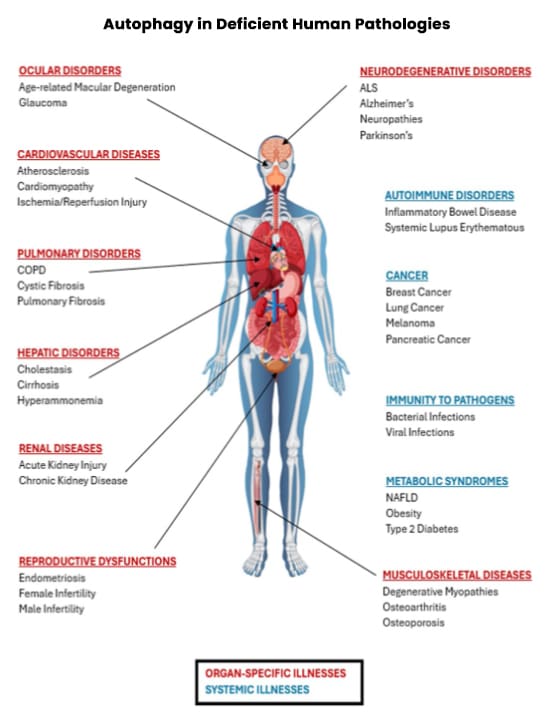
Health Issues Related to Autophagy Deficiency
- Cancer
- Neurodegenerative Diseases
- Infections
- Aging
- Metabolic Disorders
The extracellular matrix (ECM) is a vital network within the body, composed of proteins, sugars, and other substances, acting as a structural and biochemical scaffold for cells. It supports cells within tissues and organs, enabling communication, movement, and function—akin to a building's framework, but dynamic and constantly remodeling to meet the body's needs. Components like collagen, elastin, and glycosaminoglycans form this intricate structure, providing strength, flexibility, and hydration, respectively.
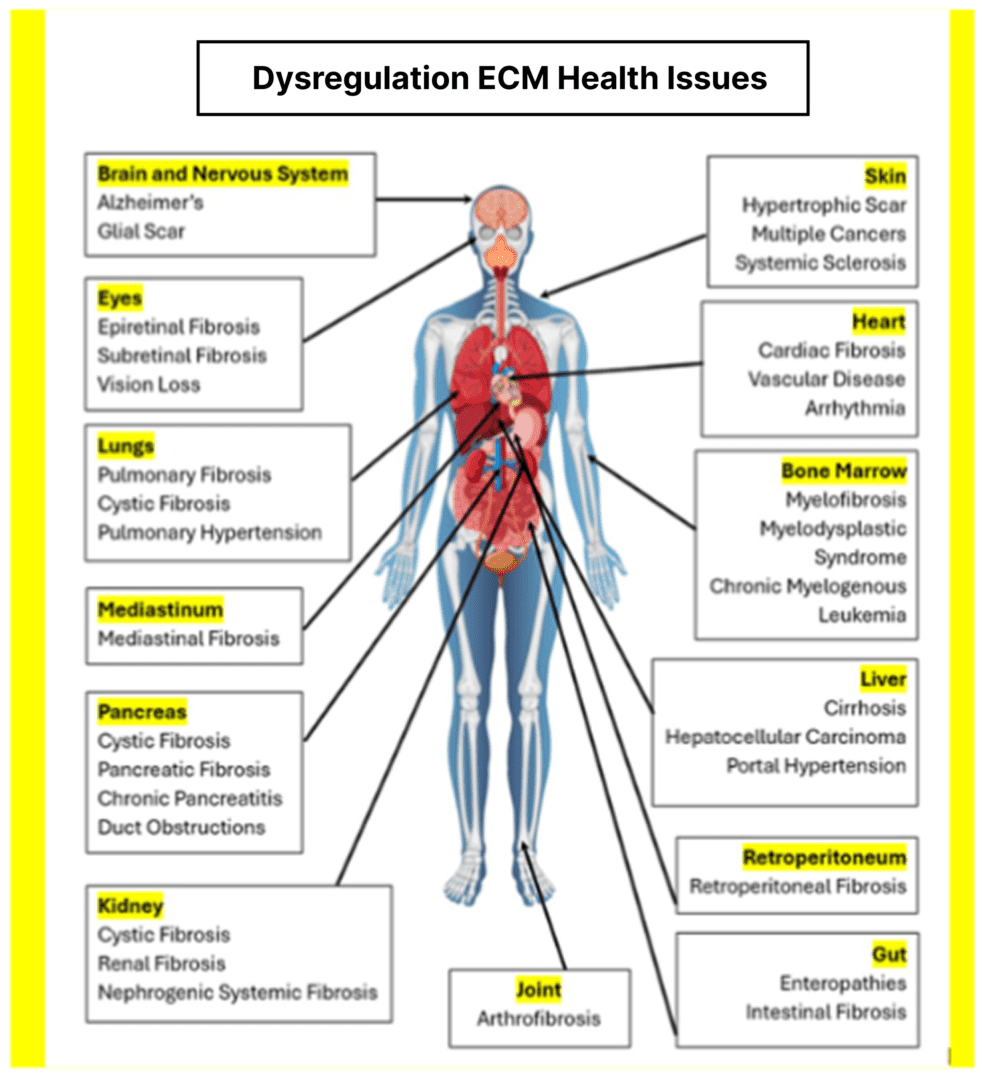
The ECM's role is multifaceted: it supports tissue integrity, facilitates cell signaling for growth, wound healing, and immune responses, and plays a part in cell differentiation, migration, and proliferation. Alterations in the ECM can lead to diseases such as fibrosis, cancer, and cardiovascular issues, highlighting its importance in both health and disease.
Overall, the ECM is a dynamic entity, crucial for the structural and functional maintenance of tissues and organs at all levels.
Benefits of the Extracellular Matrix (ECM)
- Structural Support
- Regulation of Cell Behavior
- Tissue Repair and Regeneration
- Biochemical Support
- Facilitation of Cell Communication
Health Issues Associated with Dysregulated ECM
- Fibrosis
- Cancer
- Cardiovascular Diseases
- Osteoarthritis
- Impaired Wound Healing
- Developmental Disorders
Klotho is a protein that acts much like a hormone in the body and has a pretty important job when it comes to our health and how we age. Think of klotho as a multitasking helper that keeps various parts of your body working smoothly, especially as you get older.
One of the main roles of klotho is to help regulate the metabolism of minerals like calcium and phosphorus, which are crucial for keeping your bones strong and healthy. It’s like a regulator, ensuring that these minerals are balanced correctly in your body, so your bones and teeth stay strong.
Besides that, klotho has a hand in protecting your cardiovascular system, which includes your heart and blood vessels. It works to keep your blood pressure in check and reduces the risk of heart-related issues.
Interestingly, people with higher levels of klotho tend to live longer and healthier lives, which has led scientists to refer to it as a “longevity protein.” It’s like having a secret ingredient that helps keep your body’s systems running more smoothly and slows down some aspects of the aging process.
Benefits of Klotho
- Longevity
- Bone Health
- Cardiovascular Protection
- Kidney Function
- Neuroprotection
- Metabolic Regulation
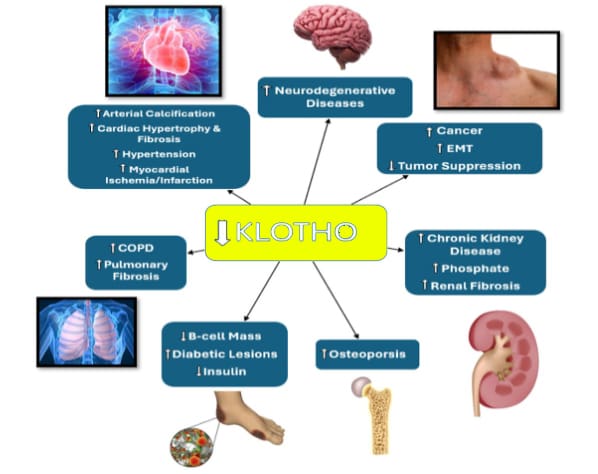
Deficiencies in Health Issues of Klotho
- Aging and Age-related Diseases
- Cognitive Decline
- Bone Density Loss
- Cardiovascular Issues
- Kidney Diseases

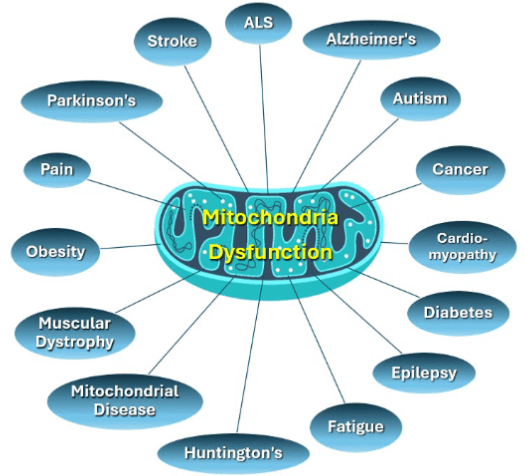
Mitochondria are often referred to as the powerhouses of the cell, and for good reason. These tiny organelles within our cells are responsible for producing most of the energy that the cell needs to function. This energy is created through a process called cellular respiration, where mitochondria convert nutrients from the food we eat into ATP (adenosine triphosphate), the primary energy currency of the cell. Imagine mitochondria as the energy plants of our body, taking in raw fuel (nutrients) and converting it into electricity (ATP) that powers everything we do, from thinking to running.
But mitochondria's role isn't limited to just energy production. They're also involved in a variety of other important processes, such as signaling between cells, cellular differentiation (where cells become specialized), and cell death (apoptosis), which is crucial for the removal of damaged cells. This makes mitochondria central to maintaining the health and function of our cells and, by extension, our entire body.
Problems with mitochondria can lead to a decline in cellular energy production, which can affect nearly every system in our body. This is because every cell relies on ATP to perform its functions, and without enough energy, cells can't do their jobs properly. The health of our mitochondria is essential to our overall health.
Benefits of Mitochondria
- Energy Production
- Cellular Signaling and Homeostasis
- Regulation of Metabolism
- Supporting Immune Function
Health Issues related to Mitochondria Deficiency
- Mitochondrial Diseases
- Neurodegenerative Diseases
- Metabolic Disorders
- Aging
MTHF, or 5-methyltetradhdrofolate, is the biologically active form of folate (vitamin B9) that circulates in the bloodstream and is used by your body for several crucial processes. Unlike the folic acid found in supplements and fortified foods, which needs to be converted into MTHF by the body to be utilized, MTHF is readily available for use without needing conversion. This makes it especially important for people with genetic variations, such as mutation in the MTHF gene, which can impair the conversion process.
Within the body, MTHF plays a vital role in the methylation process, a biochemical reaction that influences everything from the DNA repair and replication to the production of neurotransmitters, immune function, and detoxification. One of its key functions is to help convert the amino acide homocysteine into methionine, a process that is essential for DNA synthesis and repair, as well as for the production of important compounds like s-adenosylmethionine (SAMe) which is involved in methylation reaction affecting mood and health.
Additionally, MTHF plays an important role in red blood cell formation and may help support healthy nervous system function. It also helps support the body’s natural process of regulating homocysteine levels, which are linked to overall cardiovascular health.Thus, MTHF is important for supporting overall health and contributes to key biochemical processes that help the body function properly.
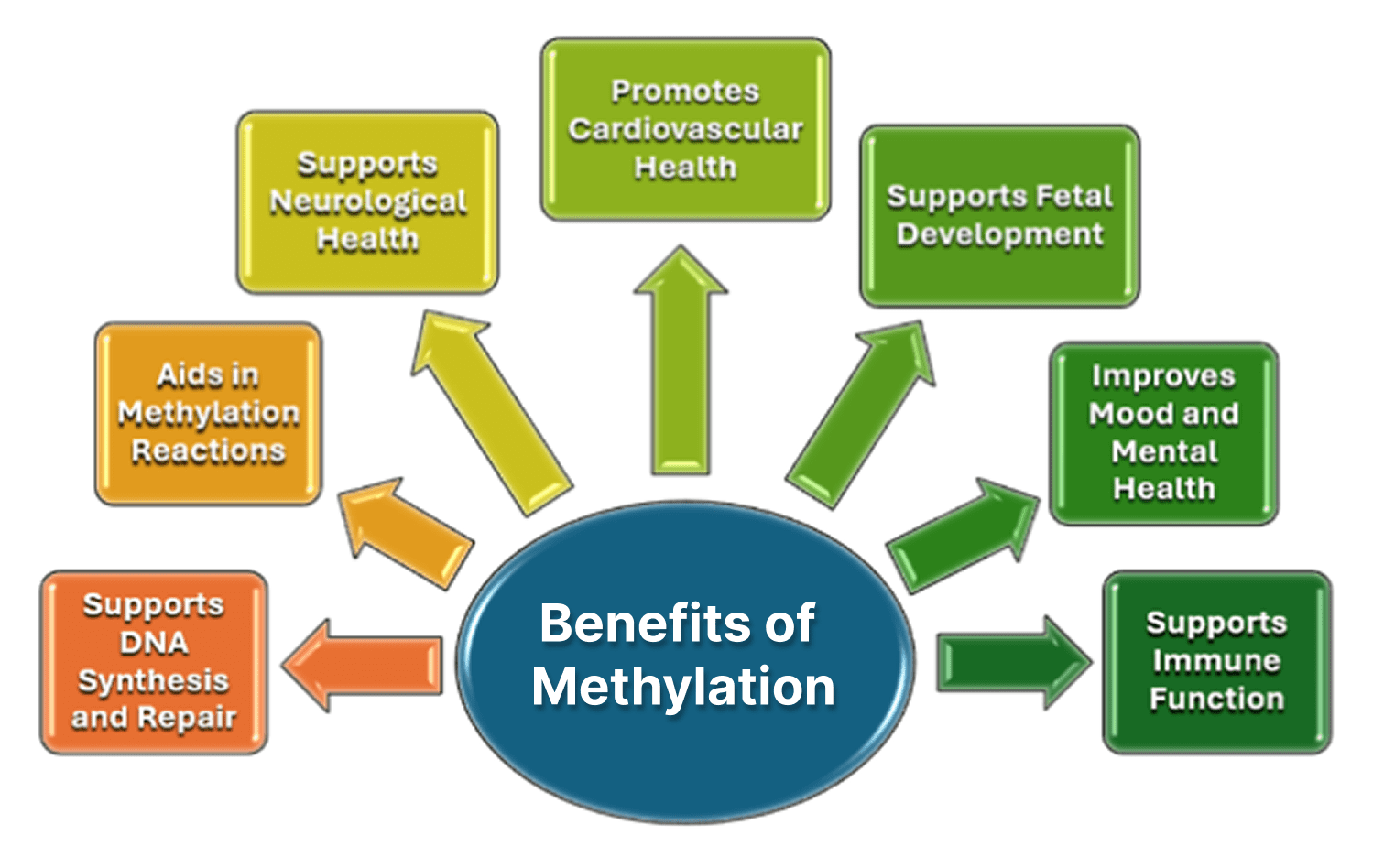
Benefits of MTHF (5-methyltetradhdrofolate)
- Supports healthy methylation processes.
- Supports healthy homocysteine metabolism.
- Supports a balanced mood.
- Supports nutrient absorption, including in individuals with certain genetic variations.
Deficiencies in Health Issues of MTHF
- Increases Homocysteine Levels
- Neural Tube Defects
- Anemia
- Cognitive Issues
- Potential Increase in Cancer Risk

Nicotinamide Adenine dinucleotide (NAD+) is a vital molecule found in all living cells, playing a crucial role in the processes that generate energy and sustain life. At its core, NAD+ functions as a helper molecule to another. This electron transfer is essential for converting nutrients from our food into ATP, the energy currency of the cell. You can think of NAD+ as a pivotal middleman in the cellular economy, ensuring energy from the food we eat is efficiently invested into the vital operations of our cells.
Beyond its critical role is energy production, NAD+ is involved in repairing damaged DNA, regulating cellular stress responses, and controlling the circadian rhythm, or the body’s internal clock. As we age, the decline in NAD+ levels in our bodies is thought to contribute to the deterioration of these crucial cellular processes, highlighting NAD+'s role in aging and longevity.
NAD+ supports the activation of proteins like sirtuins and PARPs, which are involved in key cellular processes related to health and aging. Sirtuins are involved in regulating cellular processes and have been studied for their connection to aging, while PARPs contribute to the body’s natural DNA repair mechanisms. Beyond its role in energy production, NAD+ also participates in pathways that help support the body’s natural responses to stress and cellular maintenance.
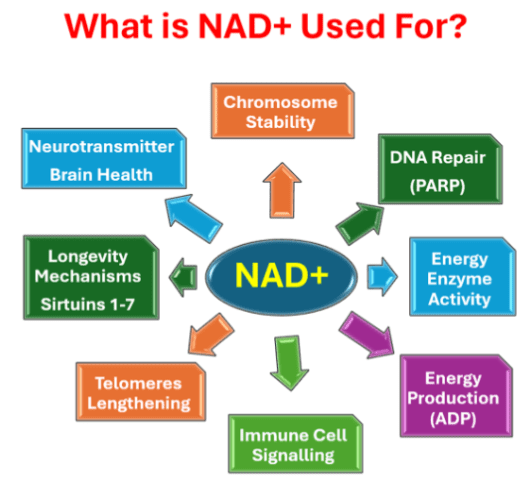
Benefits of NAD+
- Energy Metabolism
- DNA Repair and Cellular Health
- Longevity and Aging
- Neuroprotection
Health Issues of NAD+ Deficiencies
- Metabolic Disorders
- Accelerated Aging
- Cognitive Decline
- Increased Inflammation and Oxidative Stress

Nitric Oxide (NO) is a simple but incredibly important molecule in the human body, acting as a signaling molecule that affects various physiological processes. Despite its simplicity, nitric oxide plays a pivotal role in our cardiovascular health, immune response, and nervous system functioning.
It’s a gas produced by almost every type of cell in the human body and is essential for maintaining blood vessel health. Nitric Oxide helps to relax and widen blood vessels, which improves blood flow and reduces blood pressure. This is crucial for preventing conditions like hypertension and heart diseases, illustrating how a tiny molecule can have a massive impact on our overall health.
Beyond its cardiovascular benefits, nitric oxide is also vital for the immune system. It acts as a defense mechanism, helping to kill or inhibit the growth of bacteria and other pathogens. When an infection occurs, the body increases the production of nitric oxide to help fight off the invading microbes.
Nitric Oxide is a key player in our body’s ability to respond to infections and heal wounds, showcasing its role as a natural protector against diseases. It also plays a role in neural communication, contributing to memory formation, learning, and sleep regulation. This wide range of functions highlights the versatility of Nitric Oxide, and its importance in maintaining not just physical but also cognitive health.
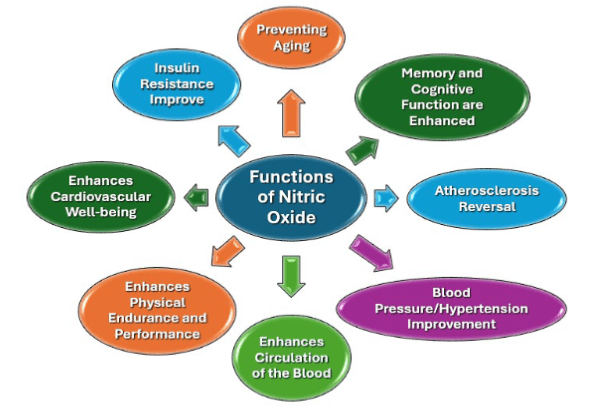
Benefits of Nitric Oxide
- Improved Cardiovascular Health
- Enhanced Athletic Performance
- Boosted Immune Function
- Neurotransmitter Functions
Health Issues of Nitric Oxide Deficiencies
- Cardiovascular Diseases
- Compromised Immune Response
- Decreased Exercise Performance and Recovery
- Erectile Dysfunction

NRF2, or Nuclear Factor Erythroid 2-Related Factor 2, is a protein in our bodies that plays a crucial role in protecting our cells from damage. This damage can come from various sources, like environmental pollutants, toxins, or even the normal processes that happen inside our cells.
When our cells face these harmful conditions, they can undergo oxidative stress. This is similar to how metal rusts when exposed to air and water. In our cells, this “rusting” can lead to damage, contributing to various diseases and accelerating aging. NRF2 helps to prevent this damage. It does so by activating certain protective proteins in our cells. These proteins act like a cleanup crew; they help repair the cell damage and reduce the harmful effects of oxidative stress.
NRF2 also plays a role in helping our body get rid of toxins. It increases the production of enzymes that detoxify harmful substances that we might ingest or inhale from our environment. This detoxification is crucial for preventing certain types of diseases, including some forms of cancer.
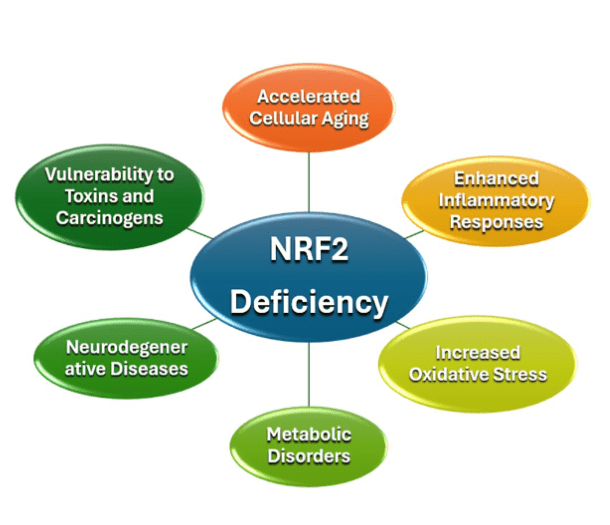
However, if NRF2 isn't functioning properly, our cells don’t get the protection they need. This can lead to increased damage from oxidative stress and toxins. As a result, we must experience more inflammation, which is linked to a variety of diseases like heart disease and arthritis. There’s also a higher risk of developing certain cancers because the body is less efficient at removing toxins.
Benefits of NRF2
- Antioxidant Defense
- Detoxification of Harmful Agents
- Anit-inflammatory Effects
- Mitochondrial Function
- Proteostasis
- Metabolic Regulation
Health Issues Related to NRF2 Deficiency
- Increased Oxidative Stress
- Enhanced Inflammatory Responses
- Vulnerability to Toxins and Carcinogens
- Metabolic Disorders
- Neurodegenerative Diseases
- Accelerated Cellular Aging

Sirtuins are a family of proteins that play a crucial role in regulating cellular health and aging. They act as guardians of the cell, overseeing important processes like DNA repair, cellular stress responses, and energy efficiency. Think of sirtuins as the managers in a factory, ensuring that everything runs smoothly, from production lines (energy generation) to maintenance (DNA repair) and waste disposal (removing damaged cellular components). By doing their job, Sirtuins help regulate cellular health and have been associated with the aging process, while PARPs play a key role in DNA repair.
One of the key roles of the Sirtuins is to respond to changes in our diet and exercise habits. For example, when we fast or exercise, Sirtuins kick into higher gear, promoting fat breakdown for energy and enhancing the body’s ability to repair itself. This is part of why activities like intermittent fasting and regular exercise are linked to better health and longevity – they activate Sirtuins, giving our cells that extra boost to take care of themselves and delay aging.
Sirtuins also have a hand in controlling inflammation and defending against diseases. By managing how cells respond to stress and damage, they can prevent chronic inflammation, which is associated with many diseases of aging, including heart disease, ensuring that cells aren’t overreacting and causing more harm than good.
Benefits of Sirtuins
- Promoting Longevity
- Improving Metabolic Heath
- Enhancing Cellular Stress Resistance
- Reducing Inflammation
- Neuroprotection
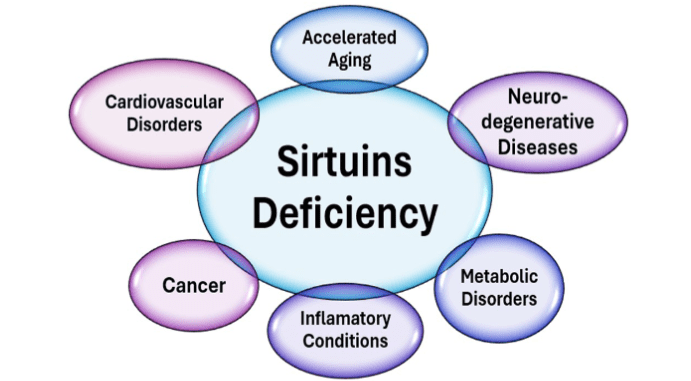
Health Issues Related to Deficient Sirtuins
- Aging and Age-Related Diseases
- Metabolic Disorders
- Neurodegenerative Diseases
- Inflammatory Conditions
- DNA Damage
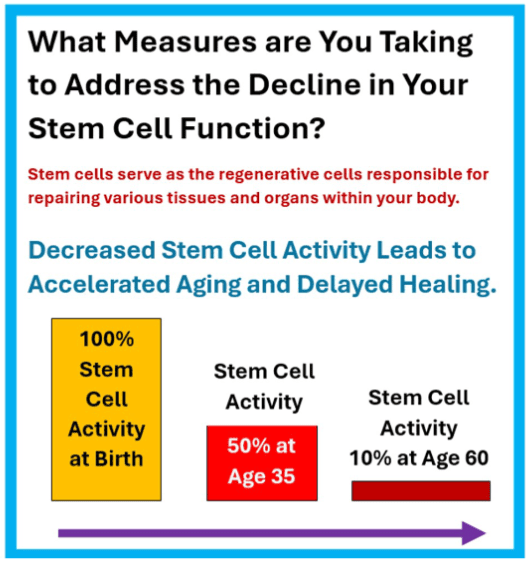
Stem cells are the body’s raw materials, the foundational cells from which all other cells with specialized functions are generated. Under the right conditions, stem cells divide to form more cells called daughter cells. These daughter cells can either become new stem cells (self-renewal) or transform into specialized cells (differentiation) with more specific function, such as blood cells, brain cells, heart muscle cells, or bone cells. This unique ability makes stem cells incredibly important for the body's development, maintenance, and repair.
Stem cells come in several types, each with different potentials for treatment and research. Embryonic stem cells have the highest potential for differentiation, meaning they can turn into almost any cell type. Stem cells, found in tissues like the bone marrow or fat, have a more limited range of transformation but are still crucial for the body’s repair system. There’s also exciting research into induced pluripotent stem cells (iPSCs), which are adult cells reprogrammed to behave like embryonic stem cells, offering a promising and less controversial source of versatile cells.
Benefits of Stem Cells
- Cellular Regeneration and Repair
- Maintain Tissue Homeostasis
- Facilitating Recovery from Illness
- Immune Response Regulation
- Potential for Treating Degenerative Diseases
Health Issues Related to Stem Cell Deficiency
- Impaired Tissue Regeneration
- Hematopoietic Disorders
- Increased Risk of Degenerative Diseases
- Aging and Reduced Longevity
- Immune System Dysfunction

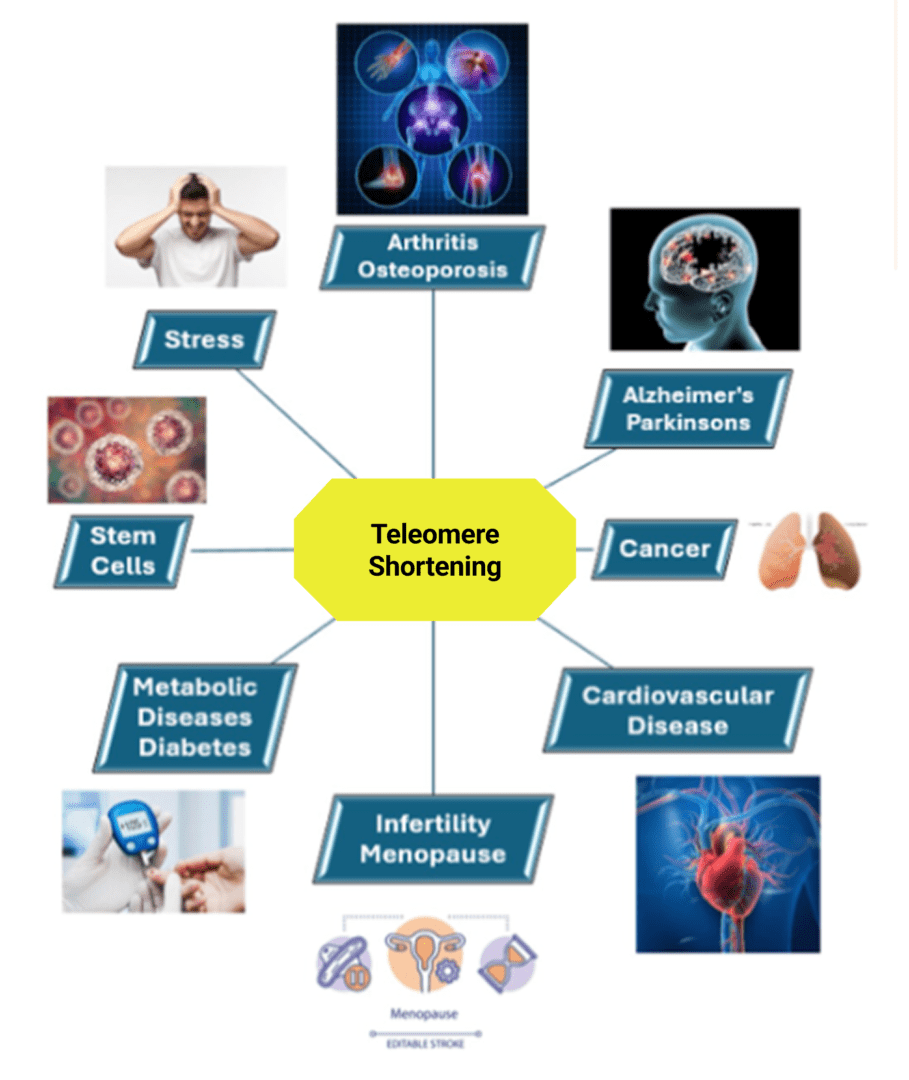
Telomeres are the protective caps at the ends of our chromosomes, similar to the plastic tips at the ends of shoelaces that keep them from fraying. Just as those tips help preserve the integrity of the shoelaces, telomeres protect our genetic data, making sure the DNA strands don't deteriorate or fuse with each other, which could lead to a host of genetic problems. Every time a cell divides, its telomeres become a little shorter, until eventually, they become too short to protect the chromosomes, leading to aging cells that either die or cease to divide further.
The length of telomeres is closely linked to aging and longevity. In young cells, telomeres are longer, but as cells replicate over time, telomeres shorten, contributing to the aging process on a cellular level. This doesn't just affect how old we look; it influences a wide range of aging-related health issues, from cardiovascular disease to Alzheimer's. Research suggests that maintaining telomere length could slow aging or even lead to longer lifespans, highlighting their critical role in our overall health and aging process.
Interestingly, there's an enzyme called telomerase that can add length back to telomeres, effectively rejuvenating cells and extending their life span. However, this enzyme is not usually active in most types of cells. In certain cells, like those in the reproductive system, telomerase keeps telomeres long to ensure the health of offspring. The discovery of telomerase has sparked interest in potential anti-aging therapies, with scientists exploring ways to activate this enzyme in other types of cells to combat aging and age-related diseases.
Benefits of Telomeres
- Protection of Genetic Information
- Cellular Aging and Longevity
- Regulation of Cell Division
- Indicator of Biological Aging
Health Issues related to Telomeres Deficiency
- Accelerated Cellular Aging
- Increased Risk of Chronic Diseases
- Impaired Tissues Regeneration
- Potential for Cancerous Growth
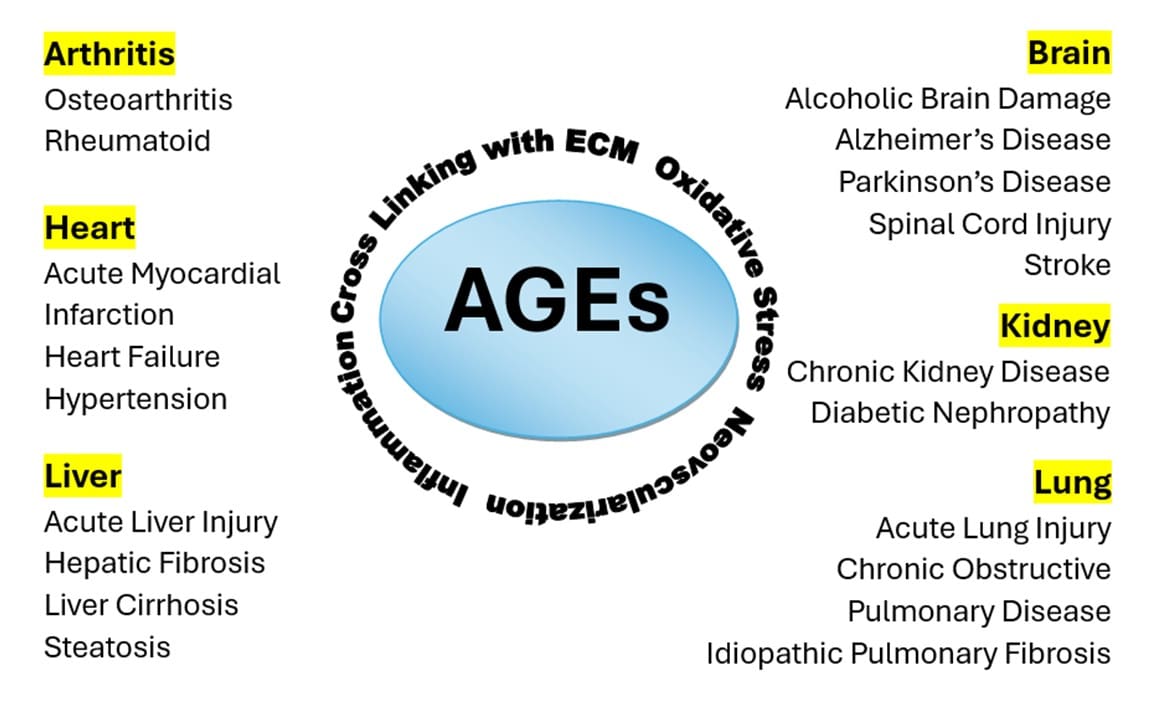
Advanced Glycation End-products (AGEs) are a diverse group of molecules formed when proteins, lipids, or nucleic acids become non-enzymatically glycated and oxidized after exposure to sugars. They are not part of the immune system like TH-1 and TH-2 cells but are instead linked to various metabolic and degenerative diseases.

Cellular senescence is a state of permanent cell cycle arrest, meaning that senescent cells can no longer divide or replicate. This process is a natural part of aging and the body's response to various types of cellular stress. Cellular senescence serves as a protective mechanism to prevent the propagation of damaged cells, which can help in preventing the development of cancer. SABG stands for senescence-associated B-galactosidase, an enzyme that is commonly used as a biomarker for cellular senescence.
Hear about what cellular senescence does within the body:
- Tumor Suppression
- Wound Health
- Chronic Inflammation
- Aging and Age-Related Diseases
- Stem Cell Exhaustion


High-sensitivity C-reactive protein (hs-CRP) is a substance produced by the liver in response to inflammation. It is a more sensitive version of the standard CRP test and can detect lower levels of the protein, making it useful in identifying low-grade inflammation. hs-CRP is commonly used in clinical settings as a marker to assess the risk of cardiovascular diseases, including heart attacks and strokes.
Here's what elevated hs-CRP does within the body:
- Bone and Joint Disorders
- Cardiovascular Issues
- Brain Issues
- Autoimmune Disorders
- Cancer Risk
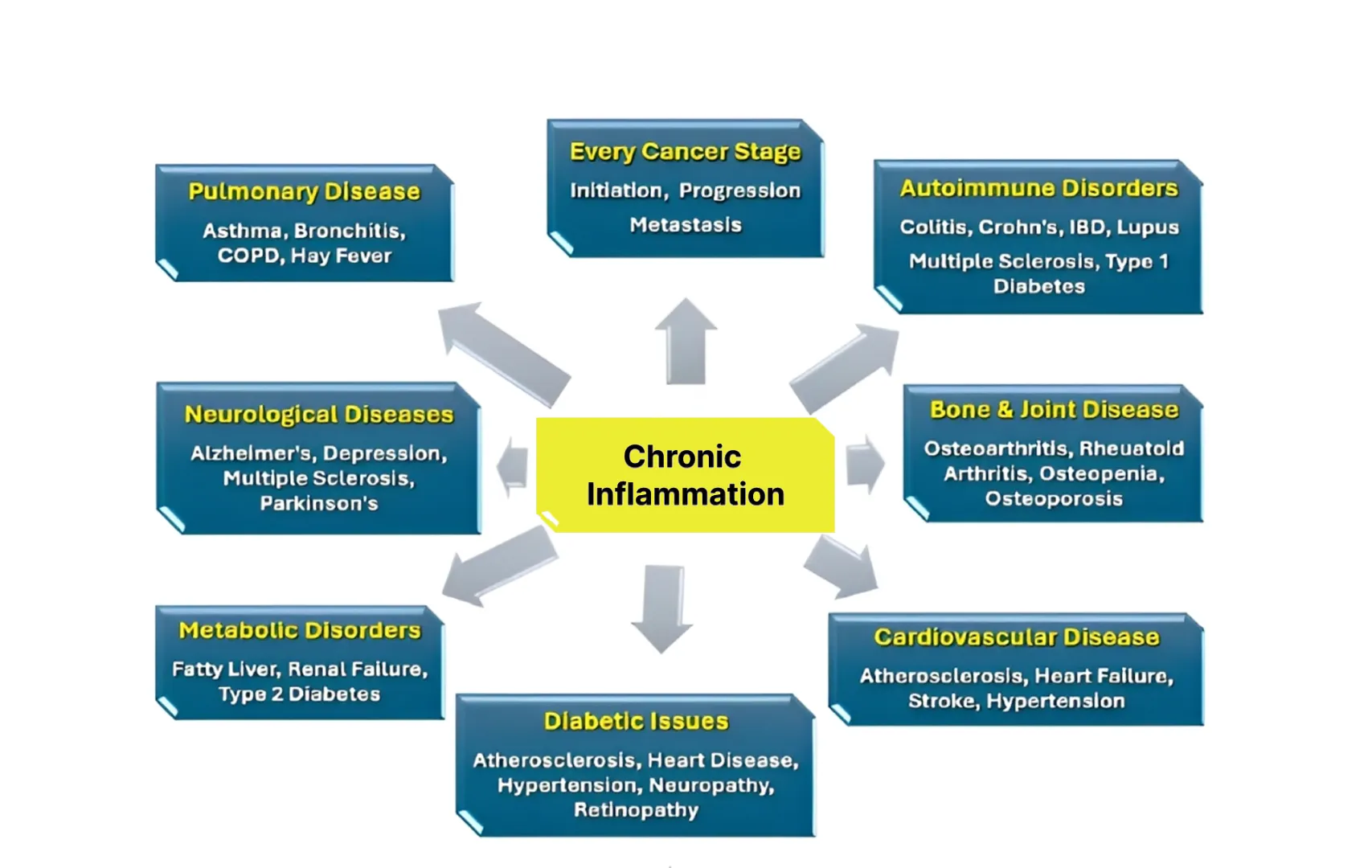

mTOR, which stands for mechanistic Target Of Rapamycin (formerly known as mammalian Target Of Rapamycin), is a protein that plays a crucial role in regulating cell growth, cell proliferation, cell motility, cell survival, protein synthesis, and transcription.
It is a central part of the mTOR signaling pathway, which is important for many cellular processes and is involved in the response to various cellular stresses and energy levels.
Here's an overview of what mTOR does within the body:
- Cell Growth and Proliferation
- Protein Synthesis
- Autophagy
- Metabolism
- Cell Survival
- Angiogenesis
- Insulin Signaling


NF-kB (Nuclear Factor kappa-light-chain-enhancer of activated B cells) is a protein complex that functions as a transcription factor in the body. It plays a crucial role in regulating the immune response to infection. Beyond its central role in immunity, NF-kB is involved in regulating cell proliferation, survival, and differentiation, making it a pivotal player in many physiological and pathological processes.
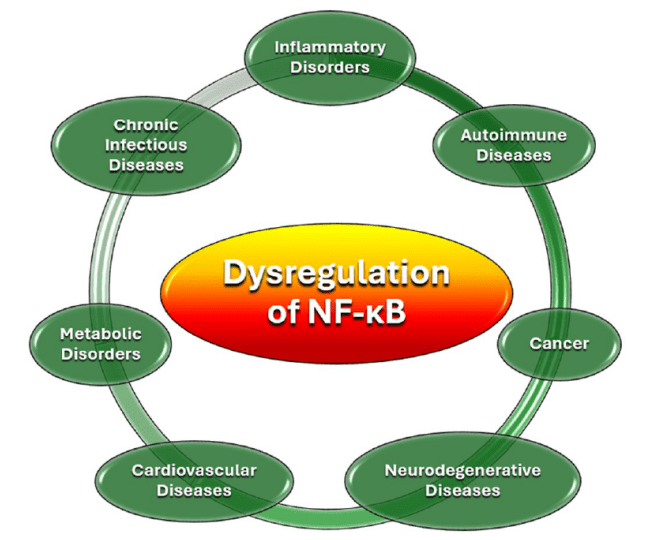
Here's what elevated NF-kB does within the body:
- Inflammation
- Cancer Risk
- Metabolic Disorders
- Cardiovascular Disease
- Autoimmune Diseases
- Neurodegeneration
In summary, NF-kB is a vital transcription factor that regulates many important processes in the body, including the immune response, cell survival, and inflammation.
Oxidative stress is a condition that occurs when there is an imbalance between the production of free radicals (reactive oxygen species, ROS) and the body's ability to counteract or detoxify their harmful effects through neutralization by antioxidants. This imbalance can lead to damage of cellular components such as proteins, lipids, and DNA.
Here's what oxidative stress does within the body:
- Cellular Damage
- Inflammation
- Aging
- Chronic Diseases
- Impaired Cell Signaling
- Immune System Function
- Endothelial Dysfunction

Do you want a free copy of the Sirtuins Cellular Healing book? Yes, a real educational book delivered right to your door!